Language, land and living systems
Stage 3 - Science and Technology & Human Society and its Environment
Program
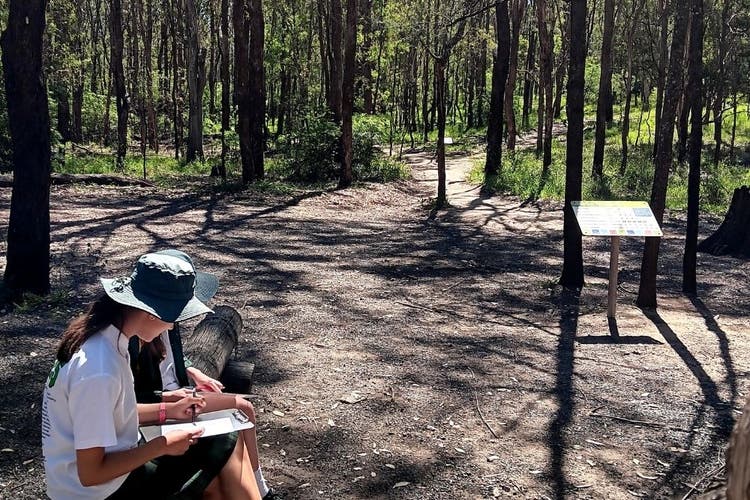
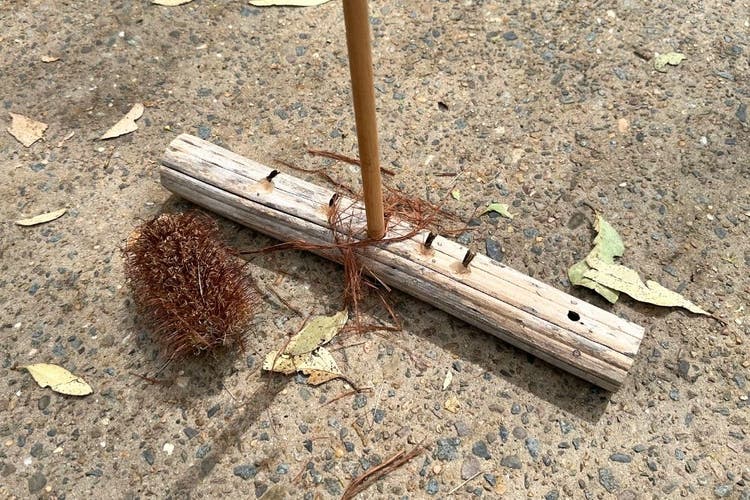
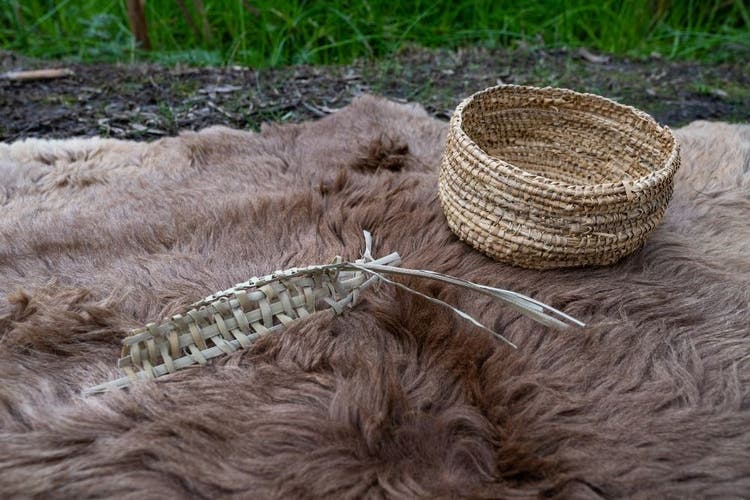
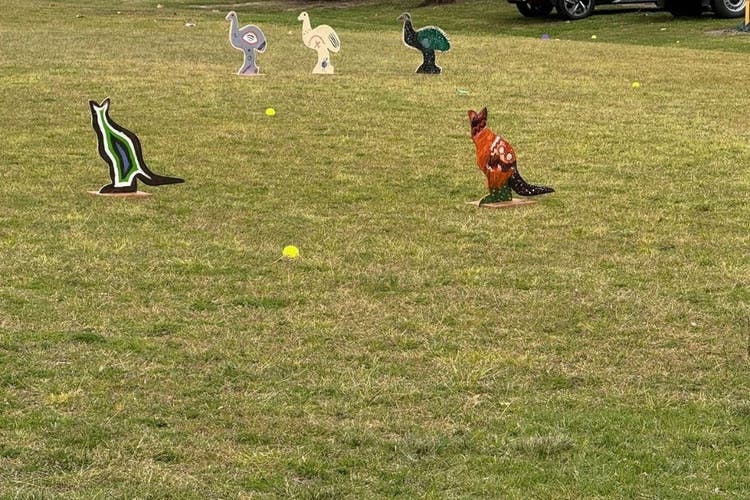
'Language, land and living systems' is a Stage 3 excursion delivered at Longneck Lagoon Environmental Education Centre. Through hands-on scientific and cultural activities, students will identify local species, construct food webs, and examine how changes within ecosystems impact sustainability. The program also includes interactive learning about traditional fire-making, sustainable hunting, and totemic systems, deepening students’ understanding of how Aboriginal Peoples’ practices continue to protect and sustain the environment today.
Important information
Human Society and its Environment K-6 syllabus (2024)
HS3-ACH-01
Describes Aboriginal Knowledges and Practices that care for Country and the importance of Aboriginal Languages revival
Content
Aboriginal Cultural Knowledges and Practices that care for Country
- Explain how Aboriginal Peoples’ Cultural Knowledges of fire are used to organise, manage and interact with Country
Aboriginal Peoples have diverse languages
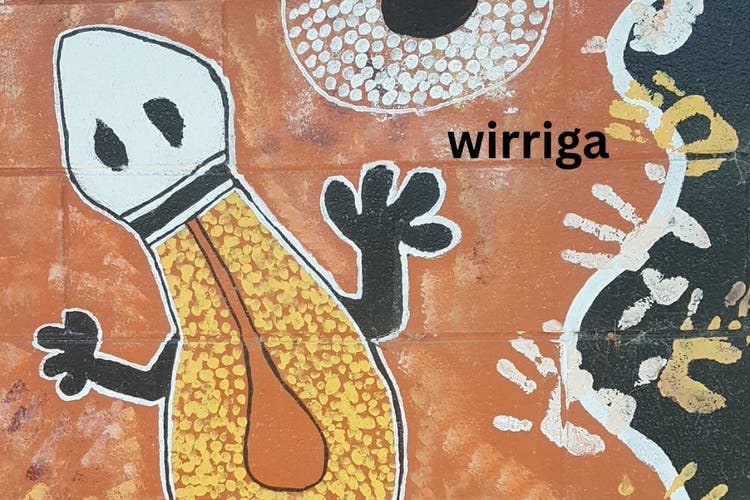
- Investigate Aboriginal Languages in the local area and across NSW and make connections to the meanings and origins of words used in Standard Australian English
Science and Technology K-6 syllabus (2024)
ST3-SCI-01
Uses evidence to explain how scientific knowledge can be used to develop sustainable practices
Content
Living things may change over millions of years, in response to their environments
- Interpret a food web that describes the flow of matter and energy between plants and animals in an ecosystem
- Identify and describe how the loss or introduction of plants or animals affects an Australian ecosystem
- Describe how Aboriginal and/or Torres Strait Islander Peoples’ sustainable practices continue to protect the environment
Students will:
- identify and record native and introduced plant and animal species within the terrestrial and aquatic ecosystems around Longneck Lagoon
- learn Dharug language terms for local plants and animals
- construct a food web to demonstrate the flow of energy between local species
- participate in hands-on learning about traditional fire-making techniques and discuss sustainable management of Country
- explore sustainable hunting practices and totemic systems through interactive, game-based activities.
| Vehicle access |
Address: 59 Whitmore Road, Maraylya Large buses/coaches can drop students and teachers at the entrance on Whitmore Road. It is a 400m walk down the drive to the classroom. Bus drop off and pick up should be timed to allow for the walk from the road to the classroom. These times can be negotiated as needed to allow for earlier or later start and finish times. Minibuses and visitors arriving by private car can enter the gates on Whitmore Road and drive part way down the drive to the signposted 'Visitor parking' area near the mud brick shed. It is a short 100m walk from the visitor parking area to the classroom and office area. We kindly ask that visitors do not drive beyond this point in order to ensure the safety of our students. |
| Student numbers |
Up to 3 classes Max. 30 students per class (Please book for multiple dates if numbers exceed 90 students) |
| What to bring |
Students
Teachers
|
| Adverse weather | On days where the weather is unsuitable, a Longneck Lagoon EEC staff member will contact the organising teacher to discuss alternative arrangements. |
| Medical notifications | Notify Longneck Lagoon EEC by completing and returning the student welfare form at least one week before the excursion. This form will be sent out upon confirmation of booking. |
| Further information | Welcome to Longneck Lagoon EEC |